AI Categorization: From Unstructured Content to Useful Taxonomy
Bloomineasy uses AI to help articles find the right category, sector, and sub-sector.
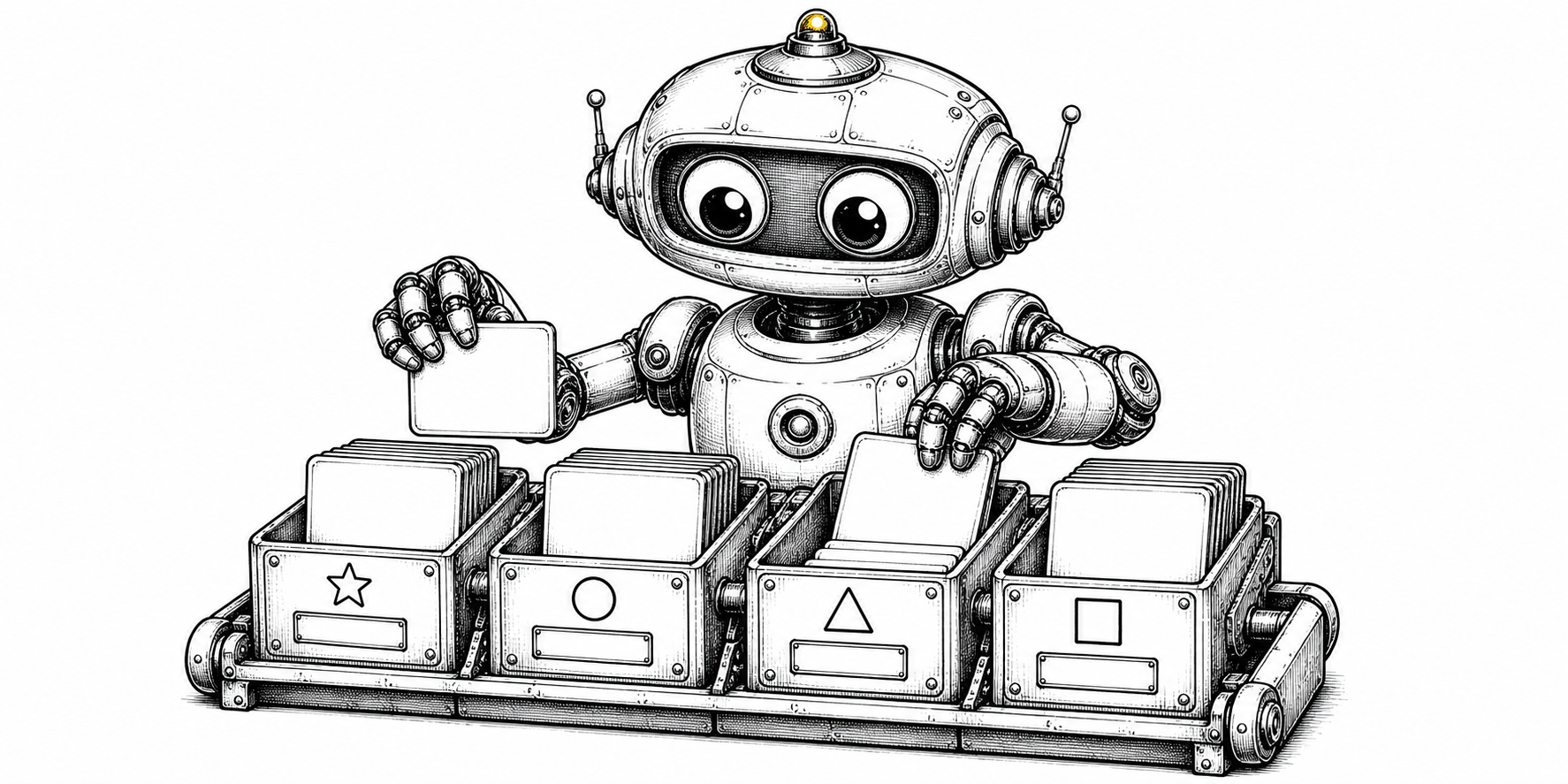
Bloomineasy uses AI categorization to help move incoming articles into useful category, sector, and sub-sector structure while keeping editors in control.
Bloomineasy uses AI to help articles find the right category, sector, and sub-sector.
Bloomineasy uses AI categorization to help move incoming articles into useful category, sector, and sub-sector structure while keeping editors in control.
Unstructured libraries become hard to use
As a content site grows, uncategorized articles become a real operational problem. Readers cannot browse them easily, editors cannot see gaps clearly, and SEO strategy becomes harder to execute.
Bloomineasy uses AI categorization to reduce that friction. The goal is not to remove the editor; it is to help the editor get to a sensible starting point faster.
Three levels of structure
Bloomineasy taxonomy works across categories, sectors, and sub-sectors. That gives content teams enough depth to build topic clusters, resource libraries, documentation sections, and editorial pathways.
AI categorization can suggest where an article belongs across those levels. This is useful because an article often needs more context than a single broad category can provide.
Confidence review keeps the workflow trustworthy
A strong implementation detail is the use of confidence and review flows. If the AI is not confident, Bloomineasy can ask the editor to review the match or consider creating new taxonomy entries.
That is the right kind of AI assistance. It speeds up repetitive work while making uncertainty visible instead of hiding it.
Graceful fallback matters
If AI features are not configured, articles can still be saved and managed. Bloomineasy can fall back to uncategorized content rather than blocking the publishing workflow.
This makes the feature practical for real projects. Teams can start simple, add AI later, and keep editorial control throughout.