The AI Category Wizard: Designing a Content Taxonomy With a Prompt
Prompt-generated taxonomy helps new Bloomineasy sites get organized faster.
Bloomineasy can help generate an initial category, sector, and sub-sector structure from a prompt, then let teams refine it before applying.
Prompt-generated taxonomy helps new Bloomineasy sites get organized faster.
Bloomineasy can help generate an initial category, sector, and sub-sector structure from a prompt, then let teams refine it before applying.
The first taxonomy is often the hardest
Starting a content site means deciding how readers will browse, how editors will organize, and how search engines will encounter topic clusters. That first taxonomy can slow a project down.
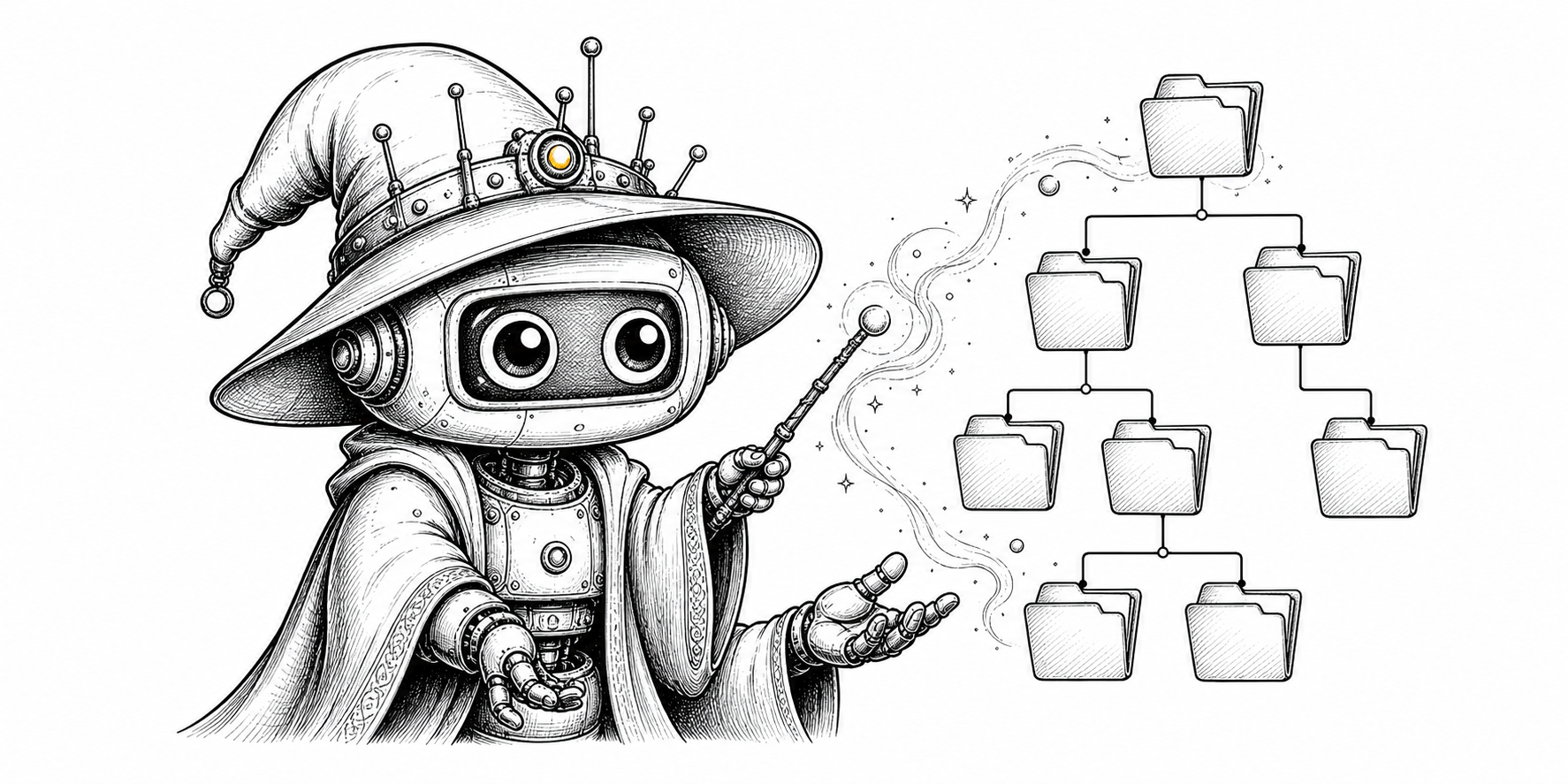
Bloomineasy's AI Category Wizard helps by turning a natural-language prompt into a proposed category, sector, and sub-sector hierarchy.
Prompting is useful because taxonomy starts with intent
A good taxonomy depends on the site's audience and purpose. A prompt lets the team describe the niche, business model, product areas, resource types, or editorial goals before the structure is generated.
This is a good use of AI because the task is structured but creative. The model can suggest patterns, while the team can still refine the final result.
Review before applying
The wizard is designed around review and refinement. Teams can generate at different depths, adjust the proposed tree, check conflicts, and apply only the items they want.
That review step matters. A taxonomy becomes part of URLs, navigation, and editorial operations, so it should not be applied blindly.
A faster path to a useful site
For agencies and founders, the wizard can turn a blank content strategy into a starting structure in minutes. For product and service teams, it can map public resources around themes, use cases, support topics, and buying questions.
The value is not just speed. The value is that Bloomineasy makes taxonomy a guided workflow instead of a hidden technical task.